



Aimee's Second Chance
"We all have big changes in our lives that are more or less second chances." Harrison Ford


Publication Date: October 18, 2024
The Frank H. and Aimee Mishou Collection, 1909-1967
From 1935 until 1945, Frank was a U.S. government teacher, community worker and reindeer herd supervisor in the Alaska Territory interior. When he and Aimee were married in Fairbanks in 1936, she joined him in Stevens Village, where they lived until 1939. The next year they were assigned to Ekwok, and in 1942, they were transferred to Beaver, where they remained until 1945.
When Frank and Aimee left Alaska, they returned to Arlington, VA, where Frank resumed his teaching career in nearby Falls Church.
Sometime after 1967, Frank and Aimee donated six boxes of newspaper clippings, correspondence, books, maps, pamphlets, scrapbooks, photographs, manuscripts, academic papers, and 8mm films to the University of Alaska Fairbanks, Elmer E. Rasmuson Library, Alaska and Polar Regions Collections and Archives, creating the Frank H. and Aimee Mishou Collection, 1909-1967.
The photographs that follow are part of that collection. I’d like to send a huge thank you and shout out to the archivist staff there, especially Fawn and Monica, for their help in securing copies of these photos, and, of course, to Frank and Aimee for creating the collection in the first place, and then placing it where I could find it.
On a personal note, finding these photos has made me sincerely happy.
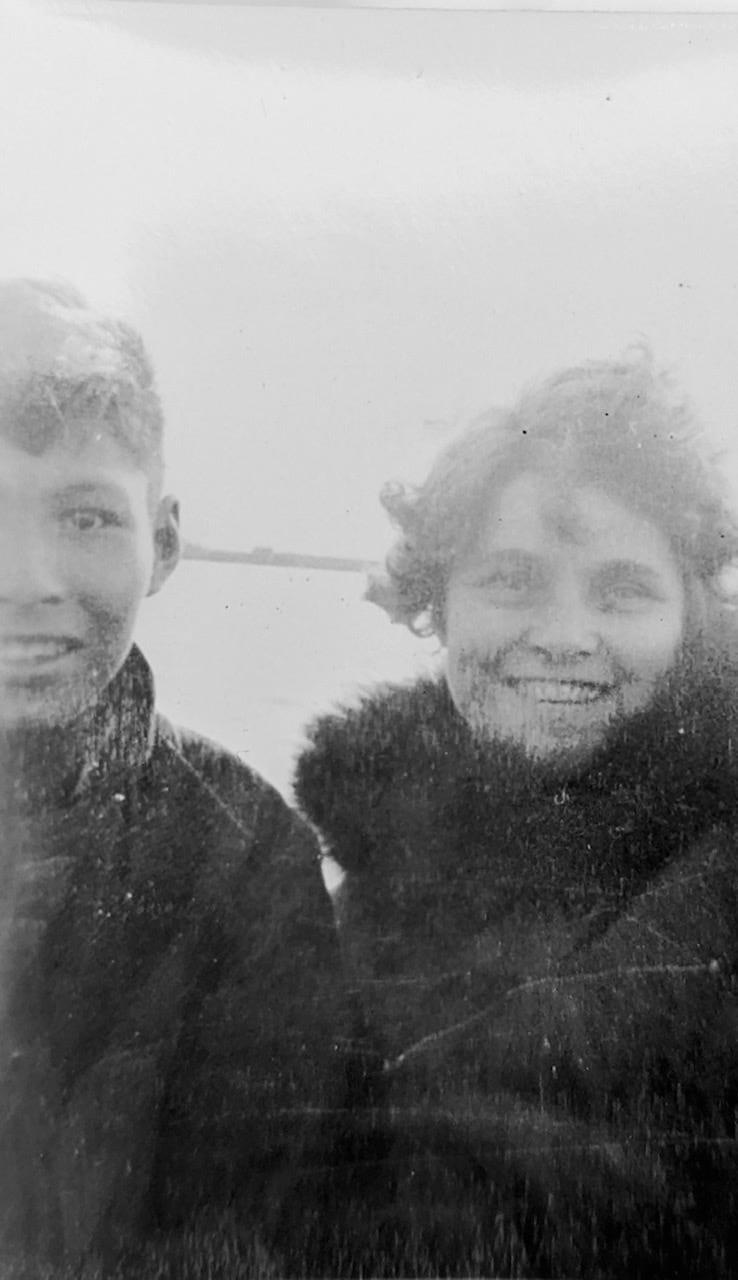
Throughout much of the research for this project, there seemed to be a dark cloud hanging over Aimee — something she herself said she felt for the first four decades of her life. The few photos which I did find of her during that time — nearly all press photos — showed a sad, somber and unsmiling young woman who seemed to be carrying more than her share of the weight of the world on her thin shoulders.
So, imagine the joy of coming across these images of Aimee with a big bold smile on her face, embracing a life that was, from the outside, so unconventional and unexpected, yet seemed to make her truly happy.
I hope you enjoy them as much as I do!
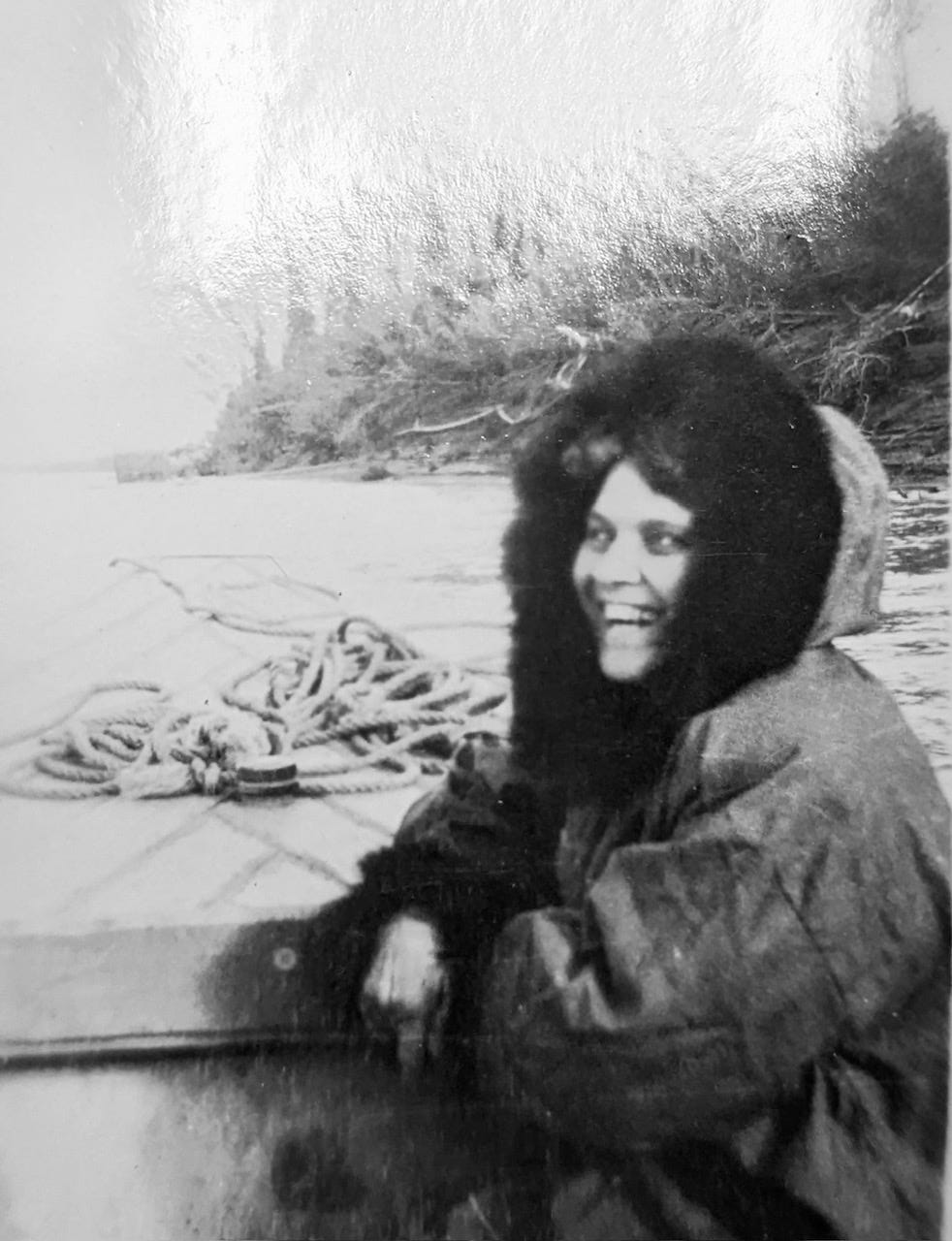
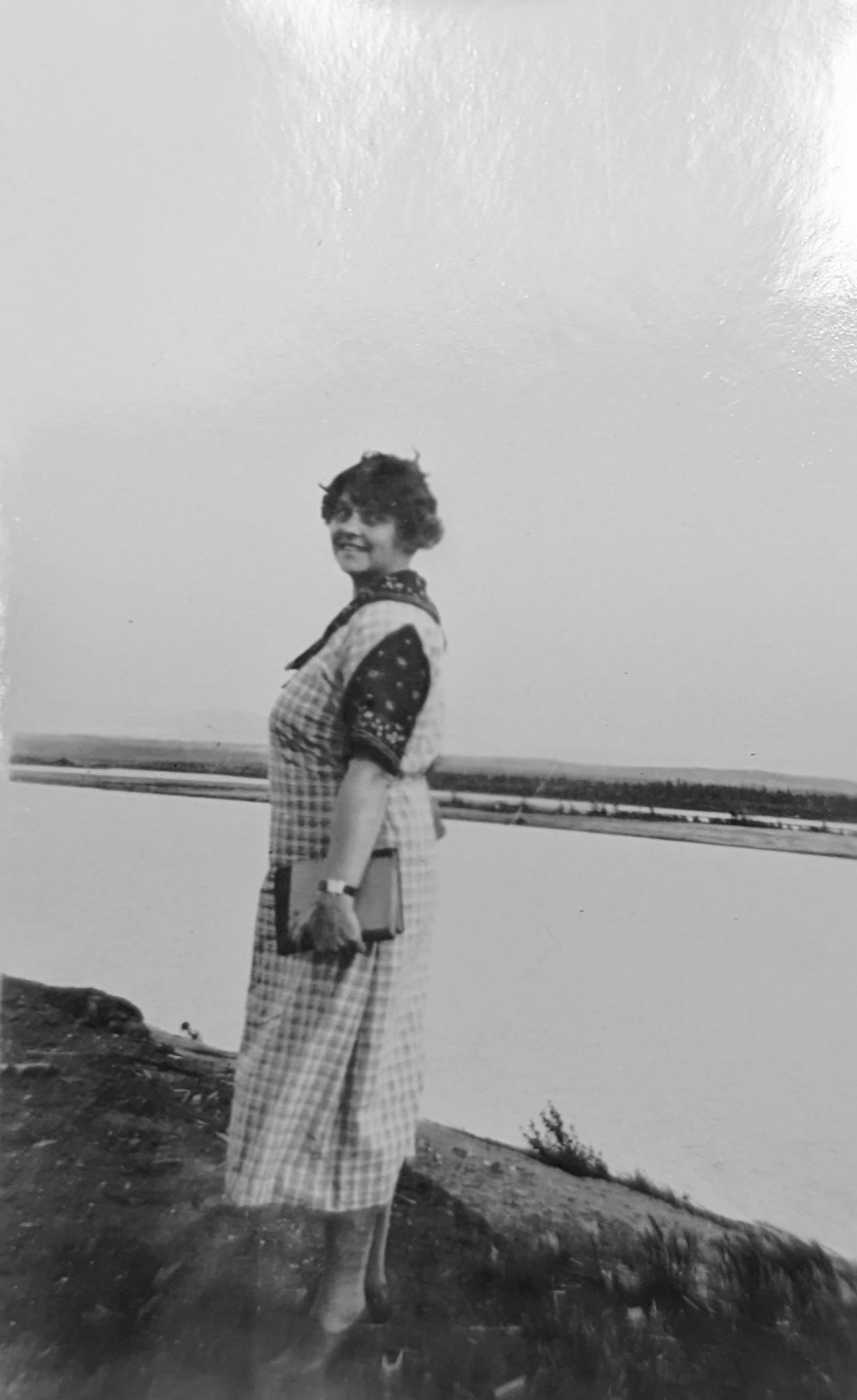
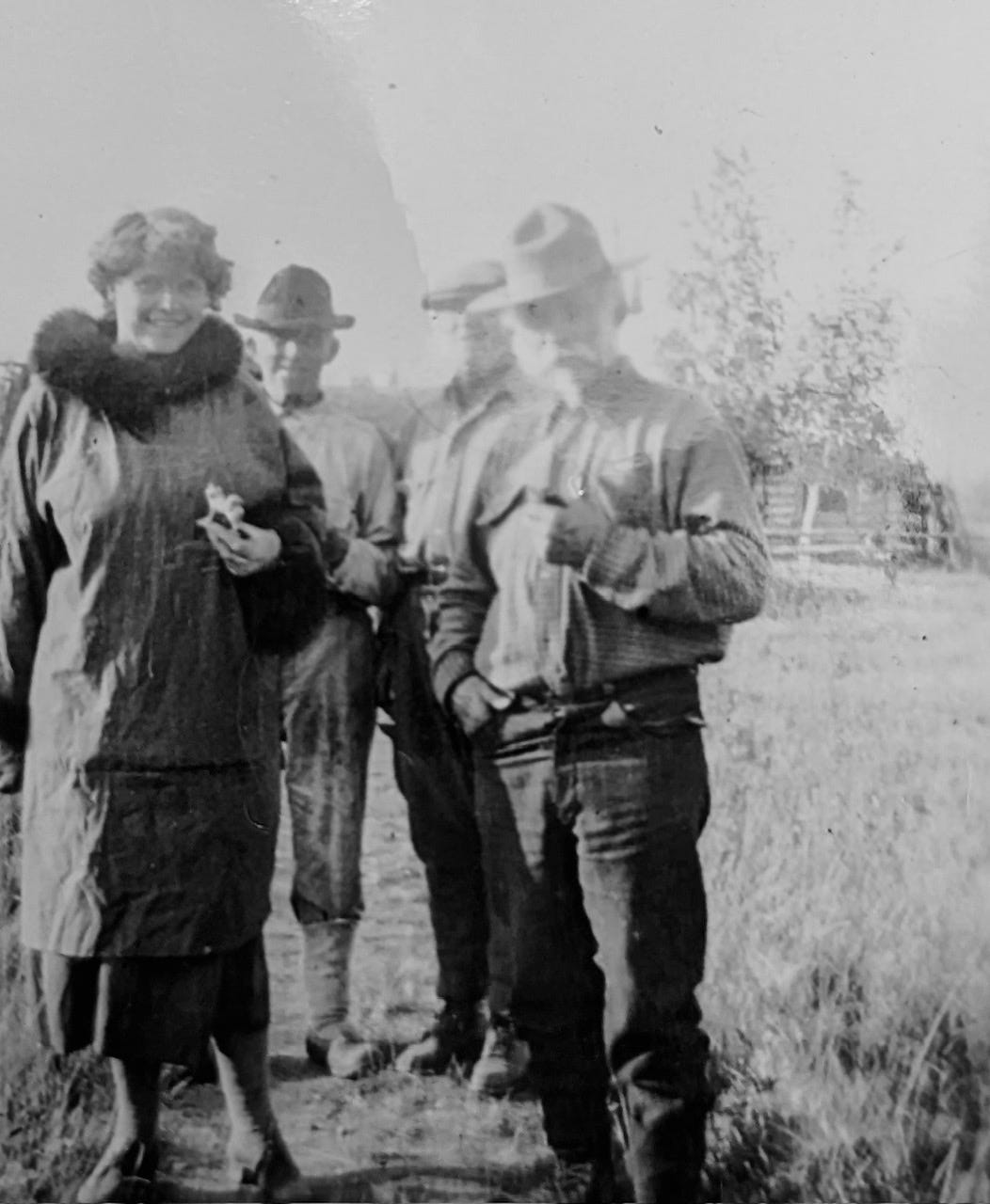
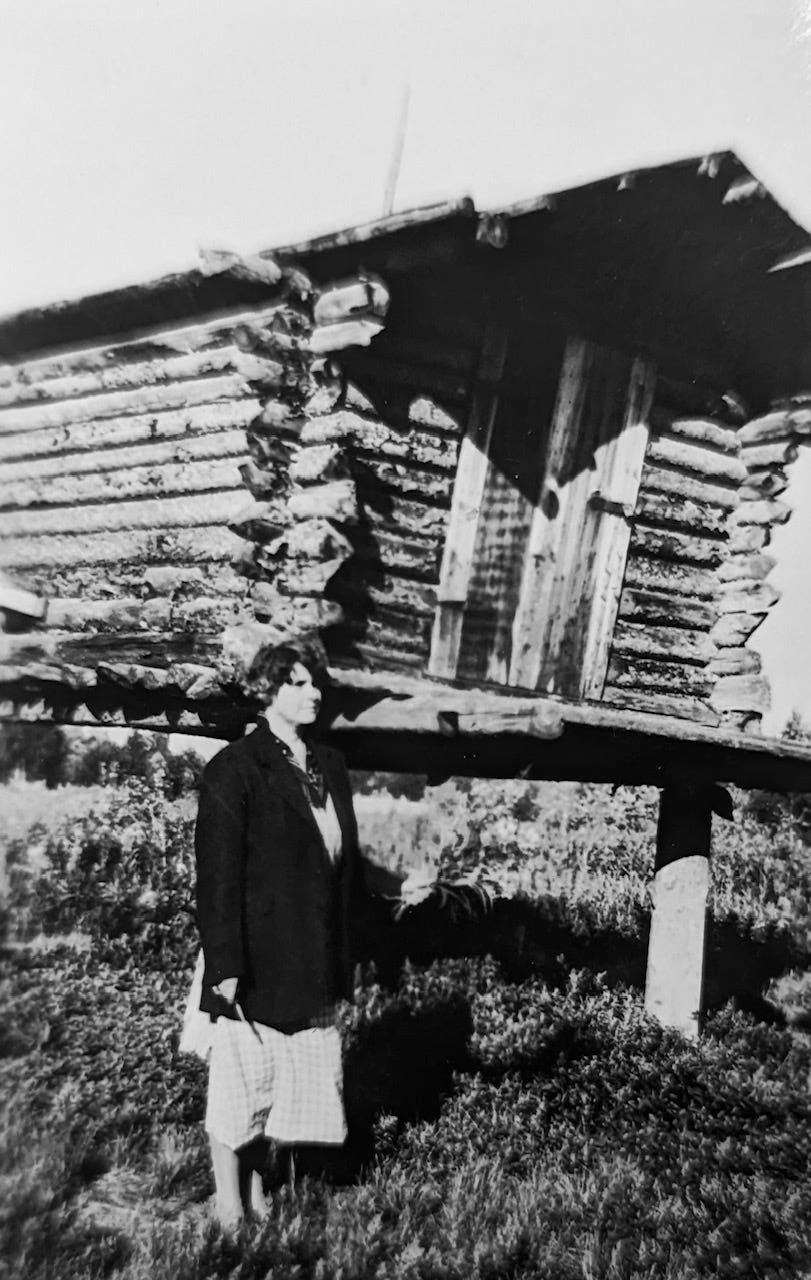
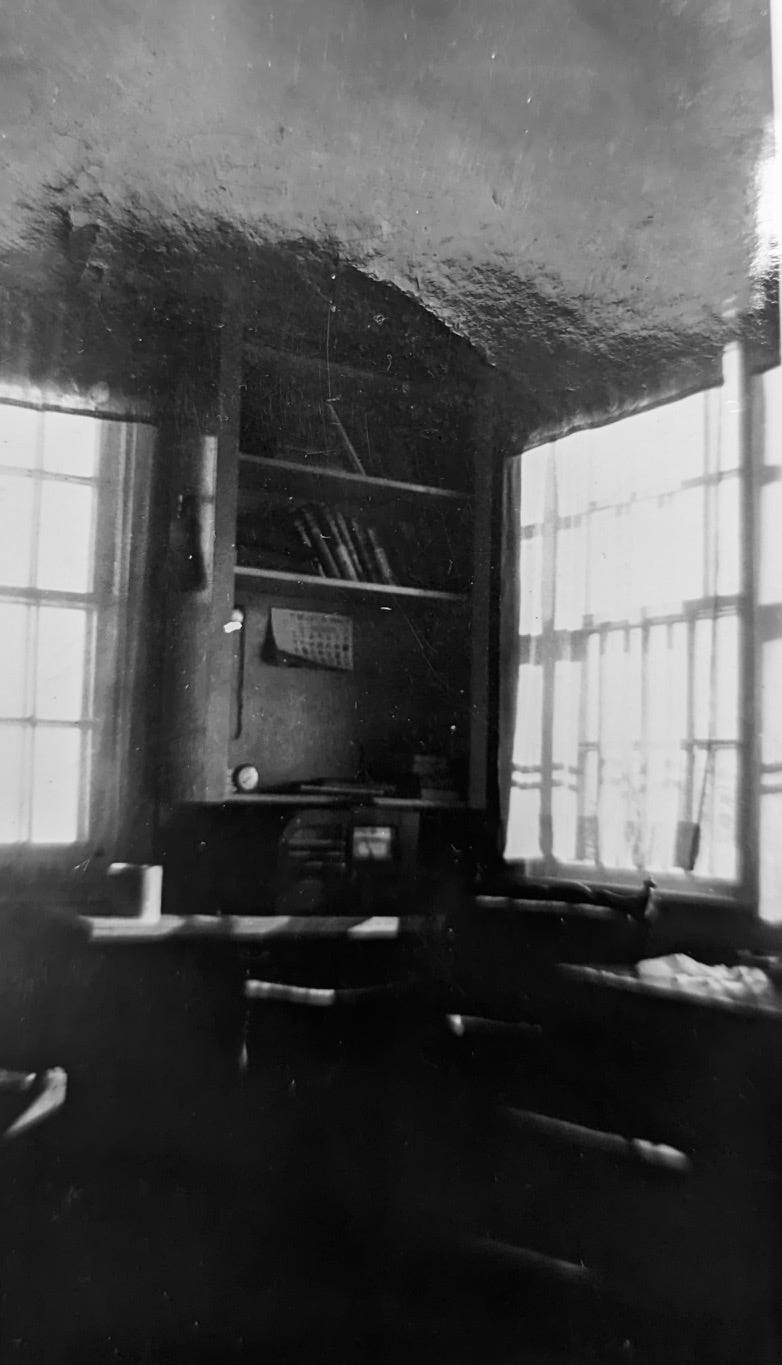
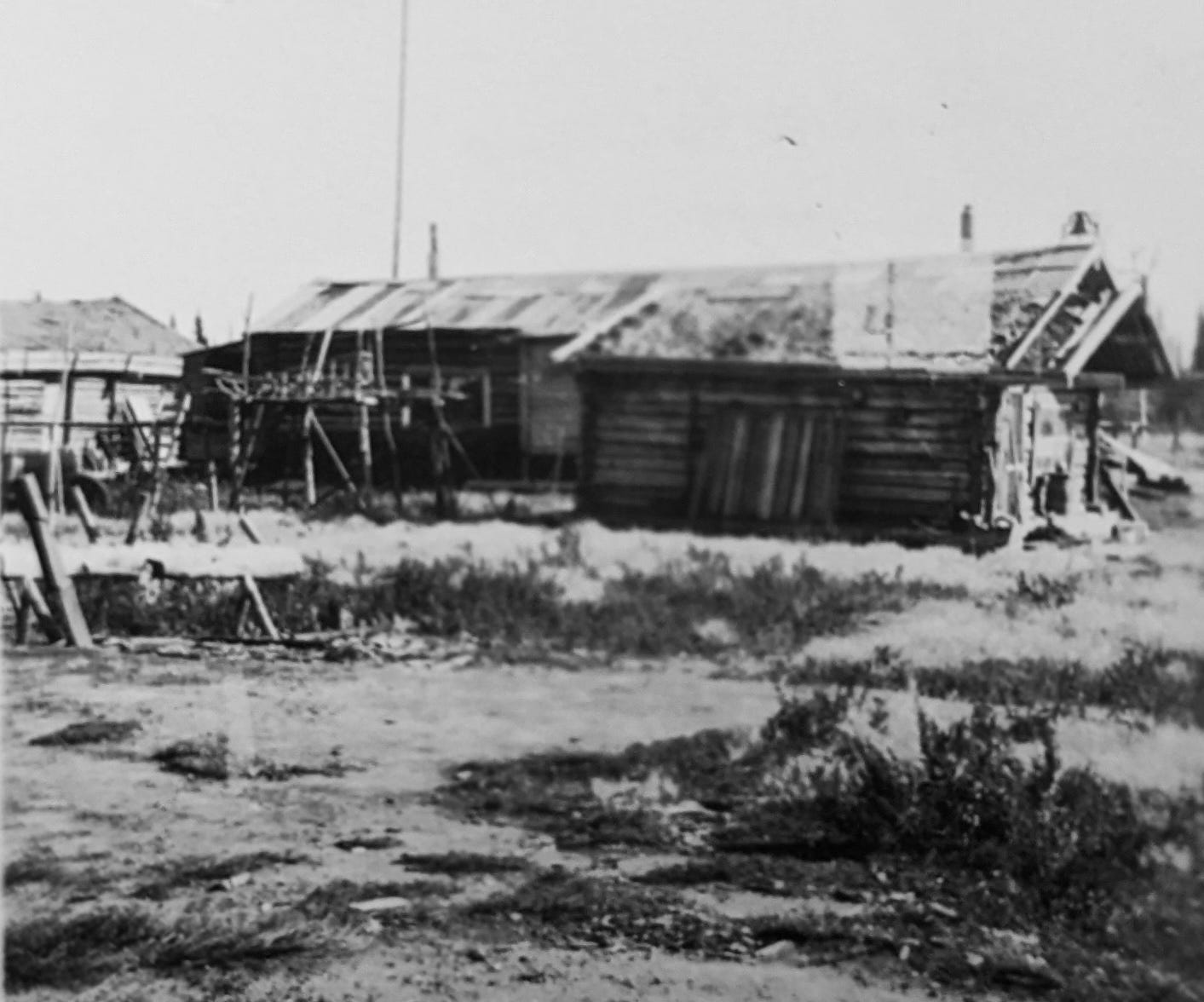
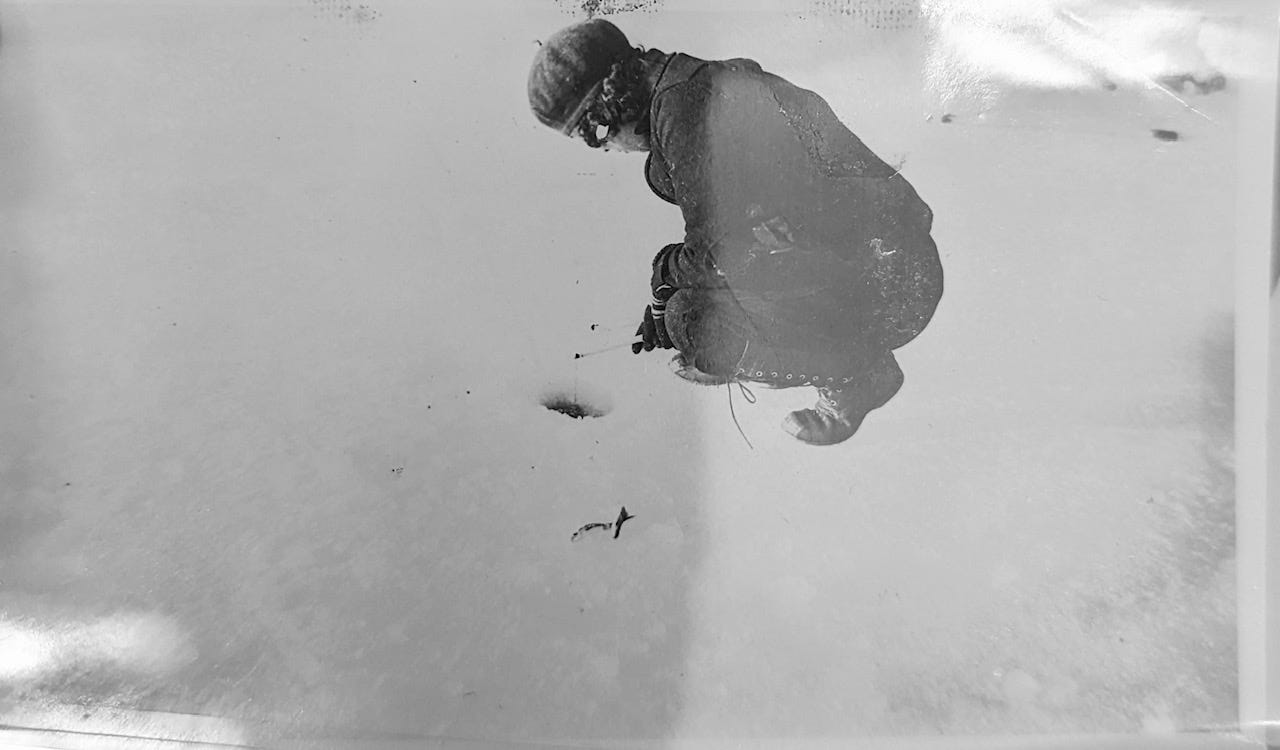
Copyright 2024 Lori Olson White

Would you mind doing me a little favor and clicking the ❤️ button at the bottom of the page? It lets others know this story is worth reading, and helps new readers find me. Thanks!
Are you passionate about the connections between family history and food? If so, I invite you to visit my other newsletter, Culinary History is Family History. I’m filling that space with my own memories of family dinners and school lunches and recipes that have been passed down to me from the people I love most. And, I’m making room for you to do the same! See you soon.
The Lost & Found Story Box is reader-supported. When you buy through links on our site, we may earn an affiliate commission.
Call Me A Bastard is a weekly serialized book that tells the true and scandalous story of Aimee Henry and Mary Martha Parker. Subscribe today, and we’ll deliver Call Me a Bastard and a bunch of other fantastic free content to your email each week!
What a treasure trove! I love the smile
On Aimee’s face in some of the photos. She has a peaceful countenance in others. So glad you shared these!
I understand your excitement at finding these photos! It is an upbeat ending to an unfortunate story.